Water Pollution
Pollution is decreasing the availability of good Quality water. What can we do tackle it
at source.
Water is polluted when it contains high levels of harmful substances. These substances include toxic chemicals and microorganisms and are often invisible. But they are dangerous for our health and for the environment and it means that we cannot drink or use this water. The most common sources of water pollution are from agriculture, urban areas and wastewater, industrial discharges, as well as plastic and other litter.
92% of Europeans said that companies should pay for the costs of cleaning up their pollution and 74% that public authorities should pay for the cost. Progress has been to reduce water pollution in the EU, but there is still a way to go. We have to prevent pollution to become a #WaterWiseEU.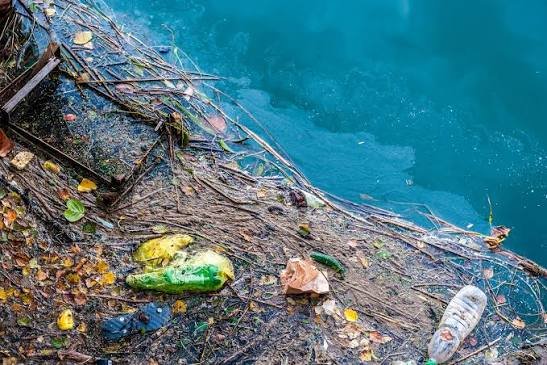
Water Pollution In The EU
Nutrient pollution costs more than EUR 75 billion a year
Only 37% of Europe's surface waters are in a healthy ecological state
69% of Europeans consider pollution to be the main threat linked to water
Which of the following is a common source of water pollution in Europe?
- Agricultural runoff
- Urban stormwater runoff
- Industrial discharge
- All of the above

What are the solutions?
There are several ways to address water pollution, especially at source. The EU has many laws in place and has recently strengthened legislation on drinking water, treating wastewater, and industrial emissions to reduce pollution.
Water pollution has a range of sources, and therefore a range of solutions. We need an integrated approach across sectors and actors to tackle pollution at source, from regulation at EU and national level to local actions. Solutions include
- promoting sustainable agriculture, and using fewer pesticides and fertilisers
- restoring natural ecosystems like floodplains and wetlands
- reducing plastic waste
- implementing green infrastructure
- more investment and innovation.
What can you do?
We can all take small actions to help reduce water pollution, including
- disposing of household waste, like medicines, chemicals, and wastewater properly
- reducing the use of harmful chemicals in your everyday life
- reducing your use of single-use plastics
- not using fertilizers and pesticides on your plants and crops
- avoiding littering